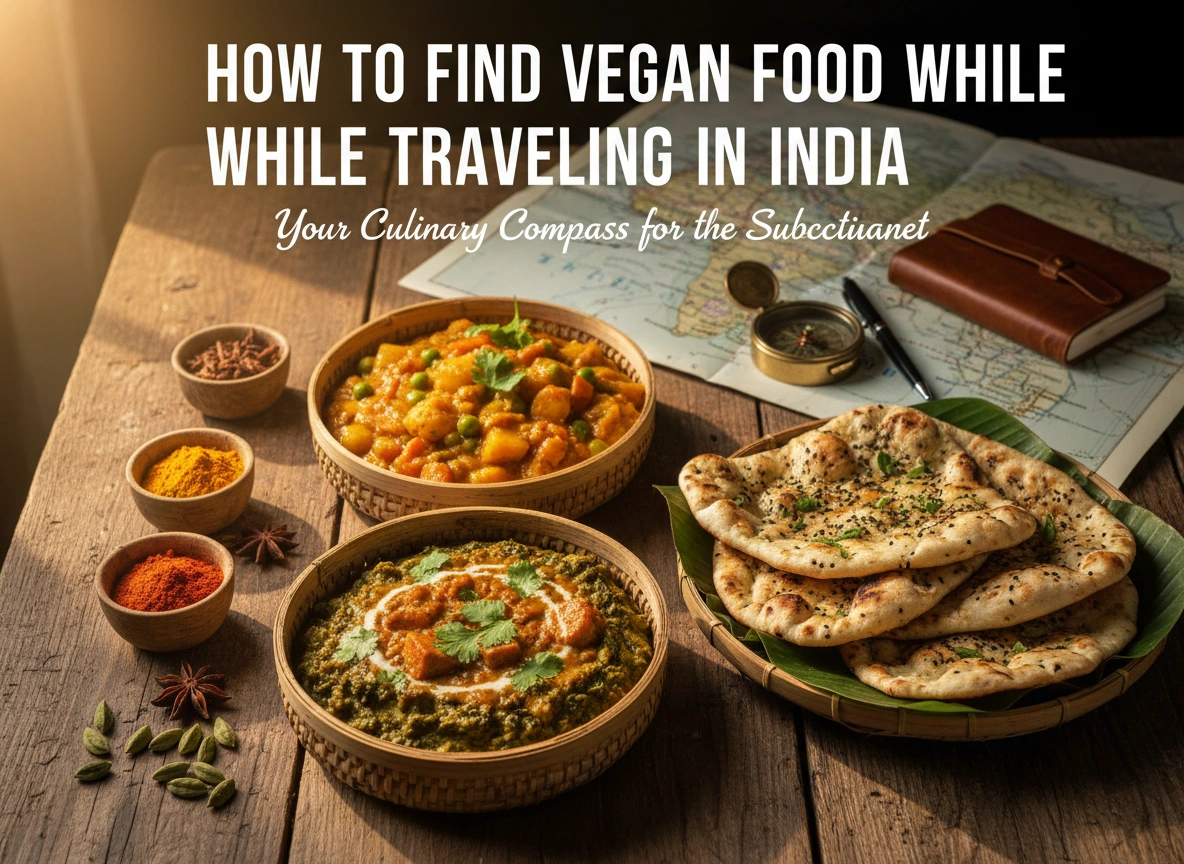

India is often celebrated as a vegetarian paradise, but for vegans, navigating the culinary landscape requires a slightly more nuanced approach. While meat-free options are abundant, dairy products like ghee (clarified butter), paneer (cottage cheese), and yogurt are staples in many regional cuisines.
Don’t let this intimidate you. Traveling through India as a vegan is not only possible but incredibly rewarding. With a little preparation and cultural understanding, you can unlock a world of flavors that are naturally plant-based. This guide will help you confidently explore India’s vibrant food scene without compromising your dietary ethics.
Understanding the Indian Food Landscape
To find vegan food in India, you first need to understand the distinction between “vegetarian” and “vegan” in the local context. In India, “Pure Veg” is a common label seen on restaurants. This indicates that the establishment serves no meat, fish, or eggs. However, “Pure Veg” almost always implies a heavy reliance on dairy.
The concept of veganism (excluding all animal products, including dairy) is growing in metropolitan areas but is not yet a universal concept in smaller towns or rural villages. Therefore, simply asking for “vegan” food might result in confusion. The key is to ask for vegetarian food and then specify “no dairy products.”
The Holy Trinity of Dairy to Avoid
When scanning a menu or talking to a street vendor, watch out for these three primary dairy culprits:
- Ghee: Used for frying, tempering spices, or drizzled on top of breads and rice.
- Paneer: A fresh cheese that is the star of many North Indian curries.
- Dahi (Yogurt) / Malai (Cream): Used to thicken gravies, cool down spicy dishes, or serve as a side.
Communicating Your Dietary Needs Effectively
Communication is your most powerful tool. Since English is widely spoken in tourist areas, you can usually explain your needs. However, specific phrasing matters. Instead of saying “I am vegan,” try saying:
“I am vegetarian, but I cannot eat milk, butter, ghee, curd, cheese, or cream.”
It is often helpful to frame it as an allergy if you are struggling to get the message across. People generally take health concerns very seriously.
Essential Hindi Phrases
While many people speak English, learning a few Hindi phrases can be a lifesaver, especially in the North.
- “Isme doodh ya ghee hai?” (Does this contain milk or ghee?)
- “Mujhe doodh/makkhan nahi chahiye.” (I don’t want milk/butter.)
- “Shuddh shakahari” (Pure vegetarian – useful as a starting point).
Naturally Vegan Dishes by Region
The beauty of Indian cuisine lies in its regional diversity. Some regions are inherently more vegan-friendly than others. Knowing what to order based on where you are can save you a lot of time.
North India: Richness without the Ghee
North Indian food is famous for rich, creamy gravies often laden with cream and ghee. However, there are staples you can rely on:
- Chana Masala: Spicy chickpea curry. Usually vegan, but ask if it was finished with ghee.
- Aloo Gobi: Potato and cauliflower stir-fry. Typically cooked in oil.
- Rajma: Red kidney bean curry.
- Tandoori Roti: Unlike Naan, which often contains milk or yogurt in the dough, Roti is usually just whole wheat flour and water. Ask for it “plain” (without butter on top).
South India: A Vegan Haven
South Indian cuisine is arguably the easiest for vegans. The cooking medium is predominantly coconut oil or vegetable oil, and coconut milk is used instead of dairy cream.
- Dosa: A fermented crepe made from rice and lentils. Ensure they cook it with oil, not ghee (“Ghee Roast” is a popular variety to avoid).
- Idli: Steamed rice cakes. Always vegan.
- Sambar: A lentil-based vegetable stew.
- Vada: Fried savory donuts made from lentils.
West and East India
- West (Gujarat/Maharashtra): Gujarati food is often vegetarian but uses ghee generously. Look for Dhokla (steamed gram flour cakes) or Poha (flattened rice flakes). In Maharashtra, Misal Pav (spicy sprout curry) is usually vegan.
- East (West Bengal): Mustard oil is the primary cooking fat here. Aloo Posto (potatoes in poppy seed paste) and various eggplant dishes are excellent vegan choices.
Navigating Street Food Safely
Street food is the heart of Indian culinary culture. Fortunately, many street snacks are accidentally vegan.
Pani Puri / Golgappa: Hollow, fried crisp spheres filled with flavored water, tamarind chutney, potatoes, and chickpeas. These are almost always vegan.
Samosas: Fried pastry pockets filled with spiced potatoes and peas. While the filling and dough are usually vegan, double-check that they weren’t fried in ghee (rare, as oil is cheaper).
Bhel Puri: A savory snack made of puffed rice, vegetables, and tangy tamarind sauce.
Pakoras / Bhajis: Vegetables dipped in chickpea flour batter and deep-fried.
Pro-Tip: Always eat from stalls that have a high turnover of customers to ensure freshness, and avoid raw chutneys if you have a sensitive stomach.
Using Technology and Apps
In the digital age, finding vegan food has become significantly easier.
- HappyCow: This is the gold standard for vegan travel. Even in tier-2 cities in India, you will often find listings for vegan-friendly cafes and restaurants.
- Zomato and Swiggy: These are the UberEats/DoorDash of India. You can search for restaurants, view scanned menus, and read reviews. Searching for “Vegan” within these apps will filter restaurants that explicitly cater to the diet.
- Google Translate: Download the Hindi (or local regional language) pack for offline use. You can use the camera feature to translate printed menus instantly.
The Rise of Modern Vegan Cafes
India’s metro cities—Mumbai, Delhi, Bangalore, Goa, and Chennai—are witnessing a vegan boom. You will find dedicated vegan cafes serving everything from smoothie bowls and avocado toast to veganized versions of traditional Indian desserts like Gulab Jamun and Payasam.
Places like Goa and Rishikesh are particularly known for their “traveler bubbles” where veganism is the norm rather than the exception. In these hubs, you can find almond milk cappuccinos and tofu scrambles with ease.
Hidden Ingredients to Watch For
Vigilance is key. Even if a dish looks vegan, hidden ingredients can lurk in the preparation.
- Curd (Yogurt) in Marinades: Tandoori items (grilled vegetables or soy chaap) are often marinated in yogurt. Always ask.
- Milk Solids in Sweets: Indian sweets (Mithai) are heavily dairy-based. Avoid Burfi, Rasgulla, and Gulab Jamun unless explicitly labeled vegan. Stick to Jalebi (fried batter soaked in syrup) or Kaju Katli (cashew fudge – but verify it doesn’t have ghee).
- Butter on Bread: Breads are often brushed with butter immediately after cooking. Always specify “Roti plain” or “dry Roti.”
What to Do When Options Are Limited
If you find yourself in a remote highway eatery (Dhaba) or a rural village with limited options, revert to the basics.
- Dal Tadka (Yellow Lentils): Ask for it fried in oil (“tel”) instead of ghee.
- Jeera Rice: Cumin-spiced rice.
- Plain Salad: Usually slices of cucumber, onion, and tomato.
- Fruits: India has incredible seasonal fruits. Bananas, mangoes, papayas, and melons are widely available and safe to eat (if you peel them yourself).
Conclusion
Traveling in India as a vegan is an adventure for the palate. While it requires you to be vocal and inquisitive about ingredients, the payoff is immense. You get to experience the authentic roots of a cuisine that has celebrated plant-based eating for centuries.
Approach your food journey with curiosity and patience. Most Indians take great pride in their hospitality (“Atithi Devo Bhava” – The guest is equivalent to God) and will happily customize a dish to suit your needs once they understand them. So pack your bags, download your translation apps, and get ready to eat your way through one of the most flavor-packed countries on Earth.
Please visit website for more info.