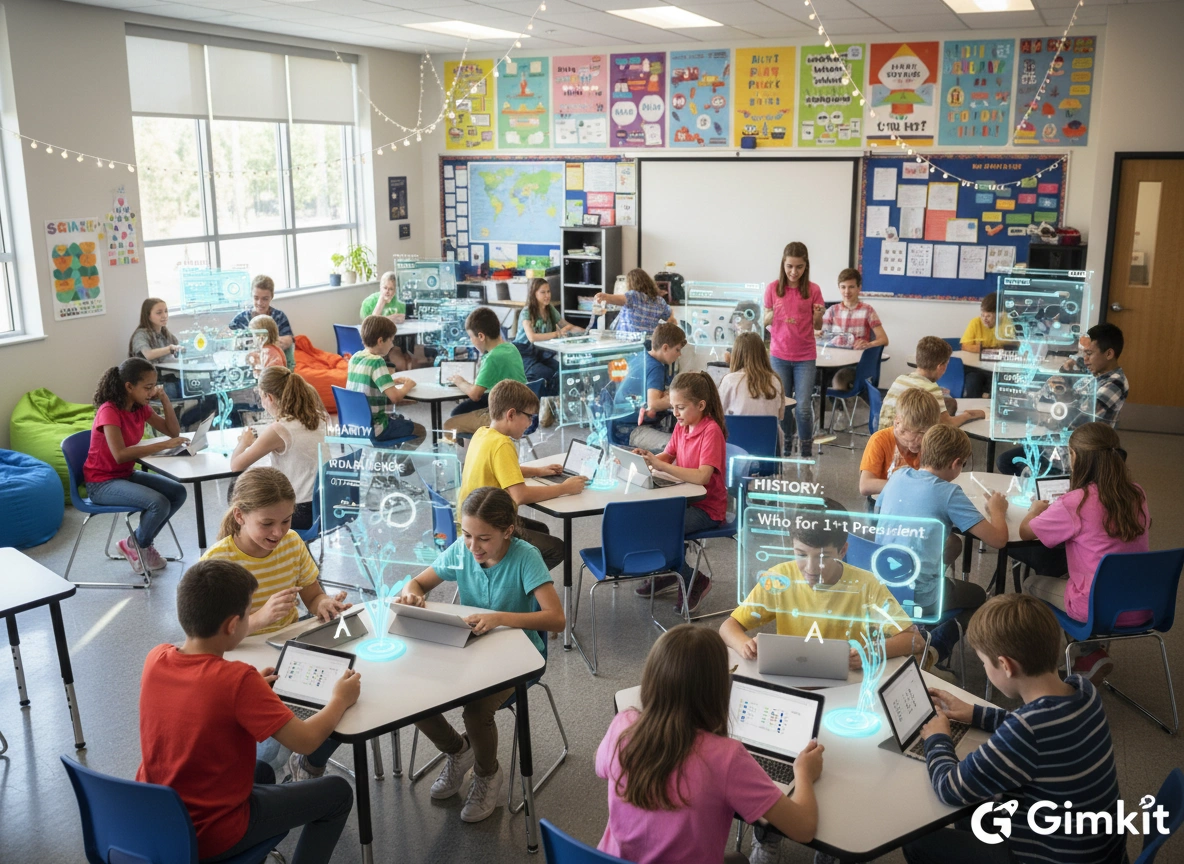

The landscape of education is constantly evolving, with a growing emphasis on moving away from passive instruction toward more dynamic, student-centered approaches. Active learning, a method where students engage with material through activities and discussion rather than simply listening, is at the forefront of this shift. Digital tools have become powerful allies for teachers looking to implement these strategies. One such tool that has gained significant traction is Gimkit, a game-show-style platform that transforms traditional review sessions into exciting, competitive experiences.
This article will provide a comprehensive look at Gimkit and its role in fostering active learning. We will explore its core features, examine how it engages students directly with course content, and discuss the tangible benefits it offers for both learners and educators. By understanding how Gimkit works, teachers can effectively leverage it to create a more vibrant and participatory classroom environment.
What Is Gimkit?
Gimkit is an online quiz-based learning platform created by a high school student who wanted to make learning more engaging. At its core, it combines elements of popular online games with educational content. Unlike traditional quiz tools where students simply answer questions for a grade, Gimkit introduces a layer of strategy and economics. Students earn in-game currency for correct answers, which they can then use to purchase power-ups and upgrades, adding an exciting dimension to the learning process.
The platform allows teachers to create their own question sets, known as “Kits,” or browse a vast library of user-generated content. This flexibility means Gimkit can be adapted for any subject area, from math and science to language arts and social studies. The game-show format encourages participation and turns what could be a mundane review into a memorable event.
Core Features That Drive Engagement
Gimkit’s effectiveness stems from a unique blend of features designed to capture and hold student attention. These components work together to create an environment ripe for active learning.
Game Modes and Variety
Gimkit is not a one-size-fits-all platform. It offers a variety of game modes that cater to different learning objectives and classroom dynamics.
- Classic Mode: This is the standard free-for-all mode where students compete individually to earn the most money. It’s fast-paced and highly competitive.
- Team Mode: Students are divided into teams and work collaboratively to increase their collective earnings. This mode promotes communication and teamwork as students must help each other to succeed.
- The Floor is Lava: In this high-stakes mode, teams must answer questions correctly to build their towers and stay above the rising lava. It adds a sense of urgency and requires strategic thinking.
- Humans vs. Zombies: This collaborative mode pits a team of humans against a growing horde of zombies (students who answer incorrectly). Humans must work together to outlast the zombies, fostering a sense of shared purpose.
These diverse modes allow teachers to switch up review sessions, preventing them from becoming repetitive and keeping students excited about what’s next.
In-Game Economy and Strategy
The most distinctive feature of Gimkit is its in-game economy. When students answer questions correctly, they don’t just get points; they earn virtual money. This money can be reinvested into the game by purchasing upgrades. For example, a student can buy an upgrade that increases the amount of money earned per question or multiplies their earnings over a short period.
This economic layer transforms students from passive respondents into active strategists. They must decide when to answer more questions and when to shop for upgrades. This decision-making process requires critical thinking and risk assessment, adding a valuable metacognitive layer to the activity.
Customization and Content Creation
Teachers have complete control over the content used in a Gimkit game. They can create a “Kit” from scratch by inputting their own questions and answers, ensuring the content is perfectly aligned with their curriculum. Alternatively, they can import existing question sets from platforms like Quizlet or search Gimkit’s extensive public library for pre-made Kits. This flexibility saves teachers valuable time while ensuring the academic rigor of the activity remains high.
How Gimkit Fosters Active Learning
Active learning occurs when students are doing something—thinking, discussing, solving problems, and creating—rather than passively receiving information. Gimkit is built to facilitate exactly these types of engagement.
Encouraging Direct Interaction with Material
The fundamental loop of Gimkit requires students to constantly recall and apply information. To earn money and win, they must actively retrieve knowledge from memory to answer questions correctly. The repetitive nature of the questions, which often reappear throughout a game, reinforces learning through a process known as retrieval practice. Research has consistently shown that actively trying to recall information is far more effective for long-term retention than simply re-reading it.
For example, in a history class reviewing key dates of the Civil War, students aren’t just looking at a timeline. They are repeatedly tested on the dates in a fast-paced environment, forcing their brains to build stronger neural pathways associated with that information.
Promoting Collaboration and Peer Teaching
Gimkit’s team-based modes are powerful tools for fostering collaboration. In Team Mode, students are financially incentivized to help their teammates. If one student is struggling with a concept, a teammate can explain it to them so they can both contribute to the team’s total. This creates opportunities for peer teaching, where students solidify their own understanding by explaining it to others.
In a science classroom, for instance, a team might be tasked with answering questions about the periodic table. A student who has mastered the properties of noble gases can quickly teach a teammate, benefiting the entire group. This collaborative problem-solving is a hallmark of an active learning environment.
Developing Critical Thinking and Decision-Making
The strategic element of Gimkit pushes students beyond simple memorization. The in-game economy forces them to make choices: “Should I spend my money on this upgrade, or should I save it?” “Is it better to focus on answering quickly or to invest in a multiplier?”
These decisions require students to analyze the game’s state, weigh risks and rewards, and adapt their strategy on the fly. This level of engagement mirrors real-world problem-solving and develops valuable executive functioning skills. Students learn to manage resources and make calculated decisions to achieve a goal, all while reinforcing academic content.
Benefits for Students and Teachers
The implementation of Gimkit in the classroom offers clear advantages for everyone involved.
For Students:
- Increased Motivation: The gamified format makes learning feel less like a chore and more like a fun challenge. The competitive and strategic elements tap into students’ natural desire to play and succeed.
- Improved Knowledge Retention: By repeatedly engaging in retrieval practice, students are more likely to retain information for the long term. The immediate feedback on correct and incorrect answers helps correct misunderstandings in real time.
- Reduced Anxiety: For some students, traditional tests can be a source of significant anxiety. The low-stakes, game-like nature of Gimkit can reduce this pressure, allowing students to focus on learning without the fear of failure.
For Teachers:
- Formative Assessment Data: At the end of each game, Gimkit provides a detailed report showing how each student and the class as a whole performed. Teachers can quickly identify which concepts students have mastered and which ones require further instruction. This immediate data is invaluable for guiding future lesson plans.
- Time-Saving and Easy to Use: The ability to create Kits quickly or use pre-made ones saves teachers significant prep time. The platform’s intuitive interface means educators don’t need to be tech experts to run a successful game.
- Enhanced Classroom Management: A well-timed Gimkit game can be a powerful tool for managing classroom energy. It can re-focus a distracted class or provide a productive and engaging activity when students’ attention begins to wane.
Conclusion: A Powerful Tool for the Modern Classroom
Gimkit is more than just another digital quiz tool; it is a thoughtfully designed platform that effectively leverages the principles of gamification to promote active learning. By requiring students to retrieve information, think strategically, and collaborate with their peers, it transforms review sessions from passive exercises into dynamic, engaging experiences.
The evidence of its success lies in the enthusiastic participation seen in classrooms where it is used. Students are motivated, engaged, and, most importantly, learning. For teachers seeking to create a more active and student-centered learning environment, Gimkit provides an accessible, effective, and fun solution. It empowers educators to not only assess knowledge but to build it in a way that resonates with 21st-century learners.
Please visit the official site for more info.