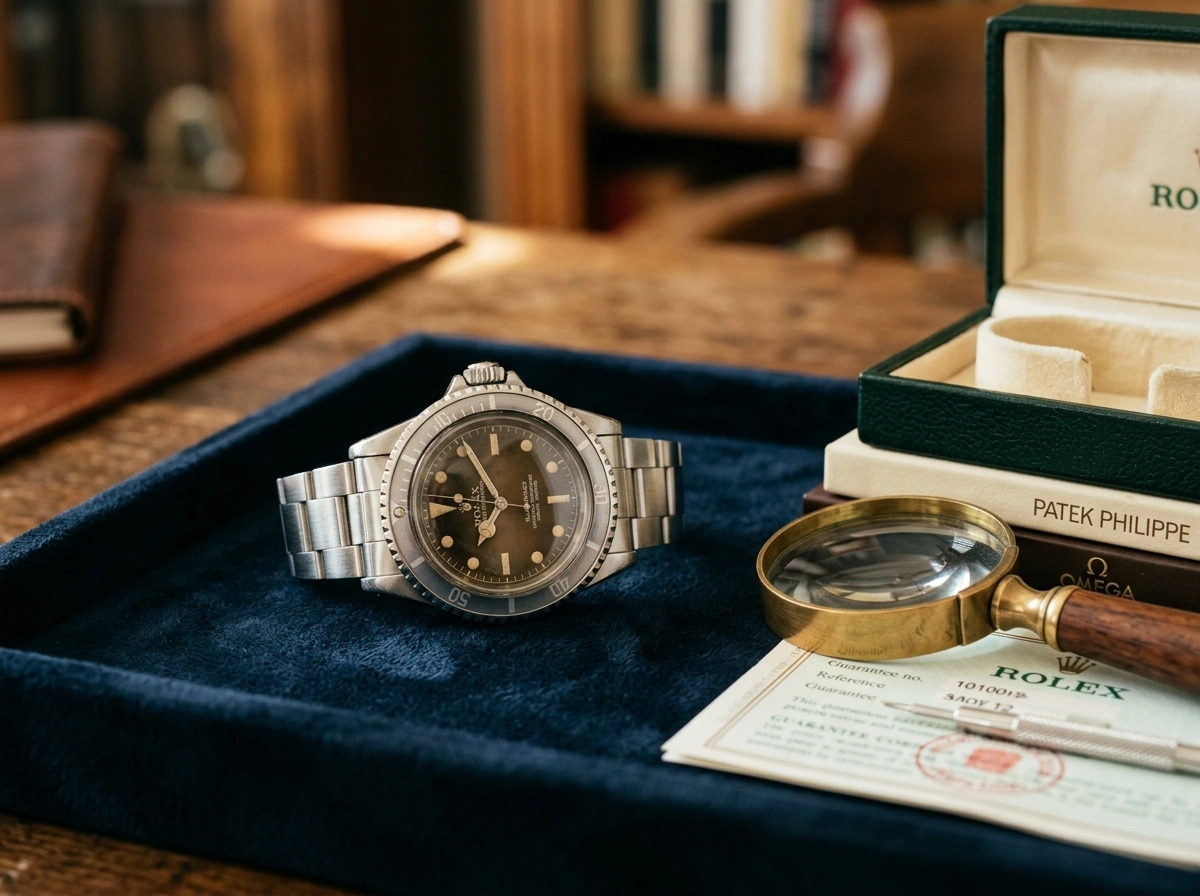

Buying your first pre-owned luxury watch should feel exciting, not stressful. Yet the secondhand market is full of unfamiliar terms, inflated prices, and the occasional bad actor. This guide walks you through every step, from choosing a brand to protecting your payment, so you can buy with confidence. By the end, you’ll know how to research models, verify authenticity, judge condition, and avoid the most common traps that catch new buyers.
Why Buyers Choose Pre-Owned Luxury Watches
Pre-owned watches offer real advantages over buying new. The biggest one is value.
- Better pricing. Many luxury watches lose value the moment they leave the boutique. Buying pre-owned lets you skip that first drop.
- Access to discontinued models. Some of the most desirable watches are no longer made. The secondhand market is the only place to find them.
- Skipping waitlists. Popular references from brands like fake rolex or Patek Philippe can have multi-year waitlists at retail. A pre-owned piece is available now.
- Stable or rising value. Certain models hold their value well, and a few even appreciate over time.
That said, pre-owned buying carries risk. The rest of this guide shows you how to manage it.
How to Research Brands and References
Before you spend a dollar, spend time learning. Good research is your strongest protection.
Every luxury watch has a reference number, a code that identifies the exact model, materials, dial, and configuration. Two watches that look similar can have very different references and values. Learn the reference for the watch you want.
Here’s how to build your knowledge:
- Study the brand’s catalog. Look at official model lines and how they changed over the years.
- Learn the reference numbers. Note the differences between similar models, such as dial color, bezel type, and case size.
- Track real market prices. Browse multiple listings to understand what a fair price looks like, not just one seller’s asking price.
- Read enthusiast forums and reviews. Communities often document known issues, fakes, and pricing trends.
The more you know about your target watch, the easier it is to spot something that doesn’t add up.
How to Verify Authenticity
Authenticity is the heart of safe buying. A convincing counterfeit can fool a beginner, so use a layered approach.
Check the physical details
Genuine luxury watches are built to exacting standards. Examine these areas closely:
- Weight and finish. Real watches feel solid and show clean, precise finishing.
- Engravings. Logos, serial numbers, and text should be sharp and evenly cut.
- Movement. When possible, have the movement inspected. The mechanics are often the hardest part to fake.
- Dial and hands. Look for correct fonts, spacing, and printing quality.
Match the serial and reference numbers
Cross-check the serial and reference numbers against the brand’s known records and the production year. A mismatch is a major warning sign.
Get a professional opinion
When in doubt, pay an authorized dealer or independent watchmaker to authenticate the piece. This small fee can save you from a costly mistake.
How to Assess Condition
Two watches with the same reference can differ widely in condition, and condition affects both price and longevity.
Use this checklist when inspecting a watch:
- Case and bezel. Look for deep scratches, dents, or signs of heavy polishing that thins the metal.
- Crystal. Check for cracks, chips, or scratches on the glass.
- Dial and hands. Confirm there is no discoloration, moisture damage, or missing lume.
- Bracelet or strap. Test for stretch in metal bracelets and wear on leather straps.
- Function. Make sure the time, date, and any complications work correctly.
Ask for clear, high-resolution photos from multiple angles. If a seller hesitates to provide them, treat that as a red flag.
What Documents and Service History to Request
Paperwork adds confidence and value. While not every watch comes with a full set, more documentation is always better.
Request the following when available:
- Original box and warranty card. Often called “box and papers,” these support authenticity and resale value.
- Original receipt. Proof of purchase helps confirm legitimate ownership.
- Service records. These show the watch has been maintained and reveal any major repairs.
- Authentication or appraisal certificates. Independent verification adds peace of mind.
A watch with full documentation usually costs more, but it’s easier to resell and less likely to hide problems.
Where to Buy Safely
Where you buy matters as much as what you buy. Some channels offer far more protection than others.
- Authorized and reputable dealers. Established sellers often inspect and guarantee their watches. Many offer warranties and return policies.
- Trusted online marketplaces. Choose platforms with buyer protection, verified sellers, and authentication services.
- Private sellers. This can offer better prices but carries the most risk. Only proceed with strong verification and secure payment.
Before buying from any seller, check reviews, ratings, and how long they’ve been in business. A solid track record is worth paying a little extra for.
Pricing Red Flags to Watch For
If a deal feels too good to be true, it usually is. Pricing is one of the clearest signals of a problem.
Watch out for these warning signs:
- Prices far below market. A steep discount often points to a fake, stolen goods, or hidden damage.
- Pressure to act fast. Urgency tactics are designed to stop you from doing research.
- Vague or evasive answers. A legitimate seller can answer specific questions about the watch.
- No proof of ownership. Missing documentation on a high-value piece is a concern.
Compare any listing against several real sales of the same reference before you commit.
Payment and Shipping Precautions
How you pay and how the watch ships can protect or expose your money.
For payment:
- Use traceable, protected methods. Credit cards and reputable escrow services offer recourse if something goes wrong.
- Avoid irreversible payments like wire transfers or gift cards with unknown private sellers.
- Never pay outside a platform that offers buyer protection just to save on fees.
For shipping:
- Require insured, tracked delivery. Insurance should cover the full value of the watch.
- Use signature confirmation so the package isn’t left unattended.
- Document the unboxing with video to support any dispute.
Post-Purchase Steps
Your job isn’t done when the watch arrives. A few final steps protect your investment.
- Inspect immediately. Compare the watch to the listing photos and description right away.
- Authenticate again if needed. If you skipped professional verification before buying, do it now while returns may still be possible.
- Service if necessary. If service history is unclear, a check-up keeps the movement healthy.
- Insure your watch. Add it to a personal property policy or a dedicated watch insurance plan.
- Store the documents safely. Keep your box, papers, and receipts together for future resale.
Common Mistakes to Avoid
Even careful buyers slip up. Keep these pitfalls in mind:
- Rushing the purchase. Take time to research and inspect.
- Trusting photos alone. Always ask for more angles and details.
- Ignoring service costs. Maintenance on luxury watches can be expensive.
- Skipping authentication. A professional check is cheap insurance.
Final Thoughts
Buying a pre-owned luxury watch safely comes down to patience and verification. Research the brand and reference, confirm authenticity, inspect condition carefully, and gather as much documentation as you can. Buy from trustworthy sellers, watch for pricing red flags, and protect yourself with secure payment and insured shipping. Once the watch is in hand, inspect it, insure it, and store your paperwork.
Start by choosing one model and learning everything about it. That single step turns a risky purchase into a confident, rewarding one, and sets you up to enjoy your watch for years to come.